 Home Loans
 Personal Loans
 SME Loans
 Business Loans - Udyog Plus
  Loan Against Securites
 Loan Against Property
 Mutual Fund
 Stock and Securities
 Wealth
 Portfolio Management Services
 Pension Funds
 Life Insurance
 Health Insurance
 Wellness Solutions
 Pay Bills
 Pay for anything
 Pay Anyone
 Pay on Call
 Payment Lounge
 Credit Cards



 1800-270-7000
-
Our Products
-
Self Care
- Downloads
- Learnings
- About Us
-
More
-
Shareholders
-
Shareholders
-
Updates
-
-
SIP Calculators

-
SWP Calculators
-
Link to ODR
-
Shareholders
 IMPORTANT ALERT ! Beware of Fake AMC App, Online Impersonation & Scam WhatsApp Groups.

ABC Solution 
Loans
Insurance


 AppStore
 Playstore
Aditya Birla Sun Life AMC Limited


Aditya Birla Sun Life AMC Limited

Pulse From the Ground: A Fund Manager’s Perspective

Jun 11, 2024
6 Mins Read
 Vinod Bhat
Listen to Article
India is projected to become the third-largest economy by FY30. Typically, discussions about India's economic growth focus on major cities like Bengaluru, the tech hub, or Mumbai, the financial centre. However, achieving the ambitious goal of Viksit Bharat, or developed country status by 2047, which implies a per capita GDP of $14,000, requires broad-based growth. This necessitates that all 28 states be capable of competing for economic opportunities. Encouragingly, signs of such progress are emerging. Many states' expenditures and nominal GDP have grown to match the size of India's entire GDP from two decades ago.
Five states in India are currently at the forefront of this growth. Each has set ambitious targets to become $500 billion to $1 trillion economies by FY27-FY33. These targets, though challenging, are beginning to look achievable.
* GSDP: Gross State Domestic Product
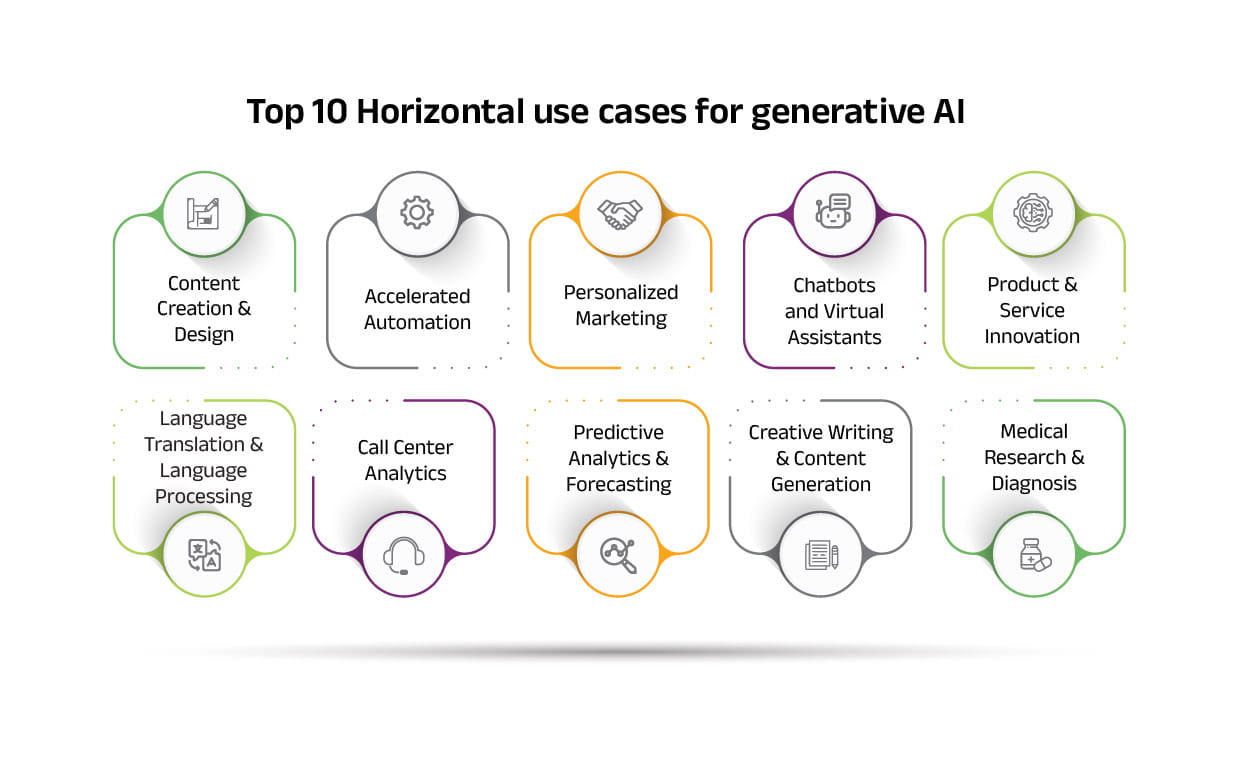
* GSDP: Gross State Domestic Product 1. Setting up a Data Lake – Single version of truth (Data infrastructure and governance) based on structured and unstructured data 2. Application of AI – Descriptive, Prescriptive, Predictive capabilities based on single view of data 3. Intelligent Automation – Robotic Process Automation enabled by AI 4. Extended Reality – Presence, Simulation, Digital Twin 5. Copilots, GPTs, Plugins – Conversations, Generative capabilities, and Reasoning
However, technology transformations are not limited to enterprises alone.
I. Driving States and Ambitious Targets

Of the above five states, the state of Uttar Pradesh (UP) is a conundrum. Had UP been a country, with a population of 240 million, it would have been the fifth largest country in the world. However, despite its size, it remains one of India's poorest states, with a per capita GDP of only $1,000, less than half the national average.
Exhibit 2:
Of the above five states, the state of Uttar Pradesh (UP) is a conundrum. Had UP been a country, with a population of 240 million, it would have been the fifth largest country in the world. However, despite its size, it remains one of India's poorest states, with a per capita GDP of only $1,000, less than half the national average.
In addition, with Generative AI coming into the picture, today’s AI can see, hear, and speak. And although it cannot feel, it can prescribe. So, companies are doing pilots in the fifth stage below.
II. Digital Public Infrastructure
The India Stack being developed by the Government of India is enabling India to leapfrog decades of technology infrastructure development, similar to how cell phones and telecom networks helped us leapfrog the requirement of putting a landline network in place as was done in other countries.
Exhibit 3:
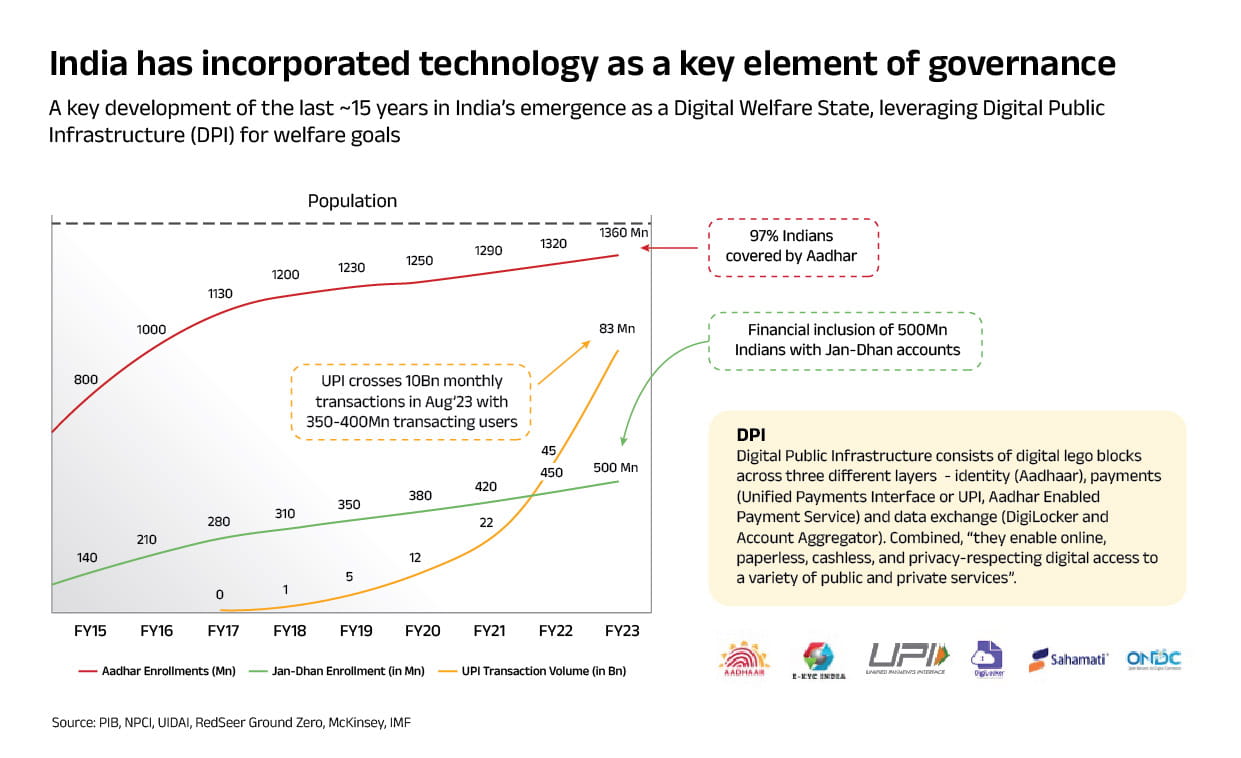
Aadhar and UPI have already transformed our lives. My Aadhar card is my default ID everywhere. And I rarely make any payments in cash anymore and don’t think twice about making even a Rs 10 payment by UPI. No wonder around 500 million people are estimated to be using UPI every month.
GST and Fastag are two other elements of Digital India. GST collections have already reached $20 bn per month with around 12% yoy growth which is in line with nominal GDP. This shows the impact of increasing formalization in the economy. In 2 years, 98% of vehicles in India are carrying Fastag which is saving both time and fuel at toll booths
A similar disruption is happening online where the Online Network for Digital Commerce (ONDC) aims to democratize the world of eCommerce. There are an estimated 12 million sellers of products and services in India, many from small towns and rural areas. However, only 15,000 of these sellers (i.e. 0.125%) have enabled e-commerce.
Exhibit 4:
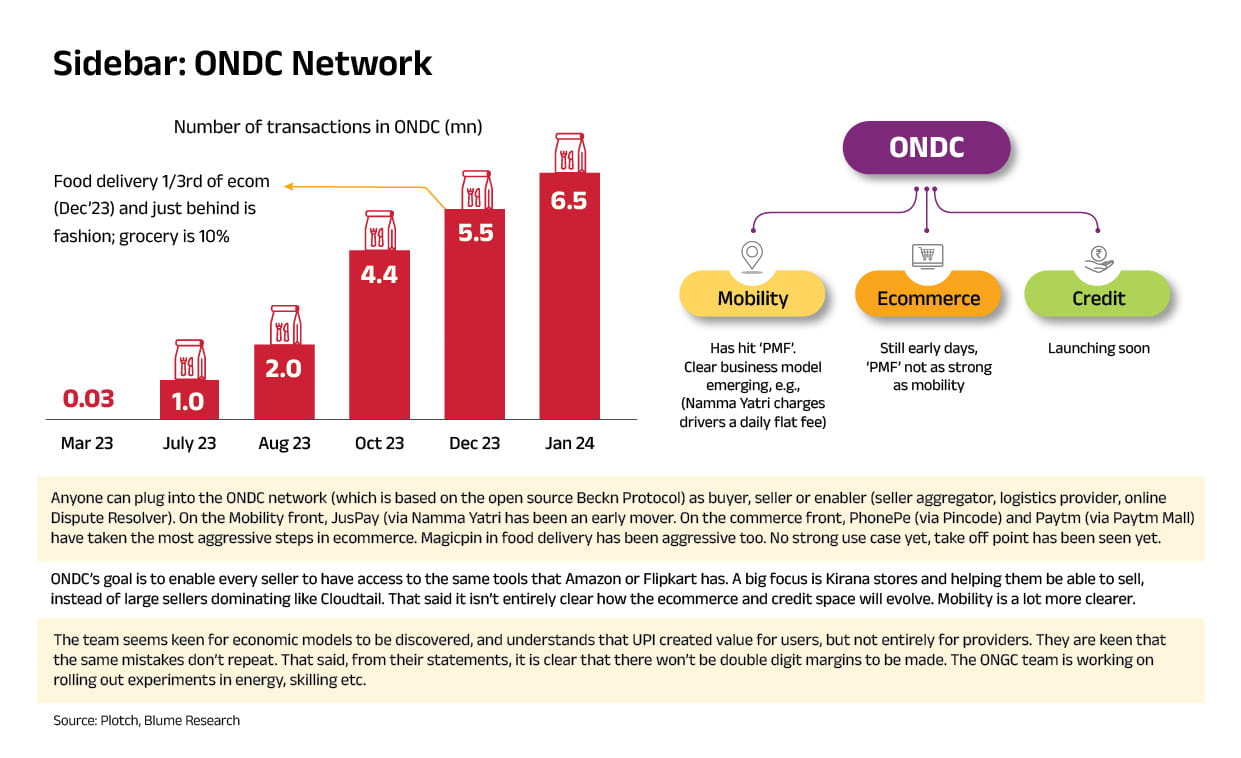
ONDC aims to take eCommerce to the smallest businesses by bringing all buyer networks and seller networks on a single platform along with enablers such as payments and logistics service providers. The aim is not for ONDC to become a monopoly itself but to ensure that there are no monopolies or duopolies as seen in other countries where just one or two large eCommerce firms take the lion’s share of the market, and small businesses have to survive on their terms.
Exhibit 5:
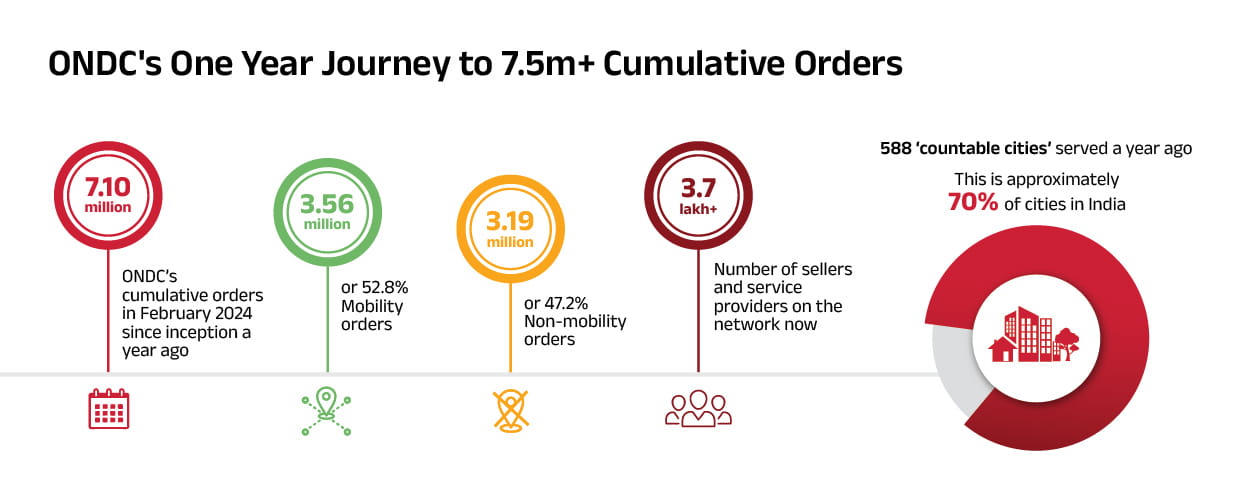
Source: ONDC, Economic Times
Countable cities: They are defined by the network as cities or districts with more than 100 orders per month in the last three months.
At our Annual event Voyage held recently, we also learnt that ONDC could also help to deliver small businesses to offer financial services such as micro credit, insurance and Mutual Fund distribution.
Lastly, the Digital India Foundation gave a glimpse of what’s happening in Bharat. As compared to the average 5-6 GB per month of data consumption in urban areas, the data consumption in rural areas is as high as 50-60 GB on average as everything from social media access, online gaming, watching cricket, films and other entertainment is happening on the mobile phone.
The government is also working on offering an AI stack to make shared infrastructure services available to domestic players so that they can build services on top. A large quantum of data is being tokenized as part of the Bhashini project which will also make it easier for everyone to access services in vernacular languages. The government is also focusing on collaboration with other countries for treaties regarding responsible and safe AI.
For Digital India, key targets are providing internet Connectivity to 600 mn villagers, reaching 1 bn transactions a day on UPI, creating a new stack every few months (e.g. ONDC for eCommerce, ABHA for Health, Digi Yatra for travel, platform for Agri services such as Agri Marketplace, AI stack etc.).
For next two years, focus will be on developing Digital Public Infrastructure. Govt will encourage Private investment in 3 areas:
a. AI/ML – Last week, the Union Cabinet approved an outlay of Rs 10,372 crore for five years for the India AI Mission. It is aimed at fostering innovation in AI through public-private partnerships.
b. Energy transition - batteries, storage, swapping, charging technology, Autonomous vehicles.
c. Semiconductors - make chips that are consumed in volume e.g. in washing machines etc.
III. The Artificial Intelligence Market in India – Some Estimates
India’s artificial intelligence market is projected to touch $17 billion by 2027, growing at an annualised rate of 25-35% between 2024 and 2027, as per a joint report studying AI-powered tech in the country by IT industry body Nasscom and consulting firm BCG.
Recent earnings calls from Indian IT majors also showcase the increasing focus of AI in their offerings.
“…Generative AI which is a disruptive technology that has potential to enhance efficiency and drive significant value, is generating tremendous interest among our clients. We are seeing strong interest levels and engagement from customers on Gen AI.” ~ TCS Q3 FY23-24 Earnings Call
“We have 100,000 employees trained in Generative AI areas. We have developed a range of use cases and benefit scenarios across different industries for our clients.” ~Infosys Q3 FY23-24 Earnings Call
India's flourishing economy, touted as the world's fastest growing, stands resilient amid global challenges. Expected to rank third largest by 2027, its journey towards $26 trillion could hinge on how it uses this transformative tech, that can boost productivity and efficiency, crucial for India's growth and goals.
Exhibit 6:
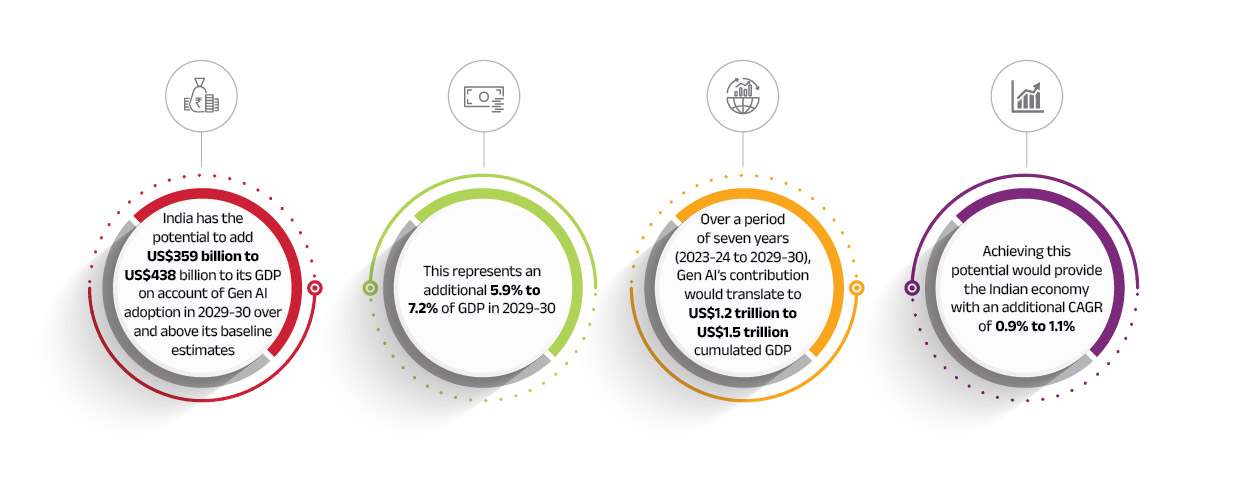
Source: EY
We will keep track on the developments in this space which is now all pervasive in terms of the gamut of industries harnessing the power of AI. It will be interesting to watch out the emerging trends in this space. We will bring you more insights on the same.
Source: Microsoft, ONDC, Digital India Foundation, Ministry of Finance, Ministry of Road Transport & Highways, Ministry of Electronics and Information Technology
The information herein is meant only for general reading purposes and the views being expressed only constitute opinions and therefore cannot be considered as guidelines, recommendations or as a professional guide for the readers. The document has been prepared on the basis of publicly available information, internally developed data and other sources believed to be reliable.
Mutual Fund investments are subject to market risks, read all scheme related documents carefully : Fund Manager.
Vinod Bhat
About Author
Mr. Vinod Bhat is a Portfolio Manager and Equity Strategist at Aditya Birla Sun Life AMC Limited (ABSLAMC). Vinod comes with an overall experience of two decades with close to 15 years in the financial markets and investment banking space. He has been associated with ABSLAMC since July 2018.
Prior to joining ABSLAMC, he was the Vice President - Corporate Strategy and Business Development with Aditya Birla Management Corporation Pvt. Ltd. Previously he was an Investment Banker at Credit Suisse and Ocean Park Advisors in the USA.
Vinod is a CFA (USA) and has done his MBA in Finance from The Wharton School, University of Pennsylvania (USA). He holds an M.S. in Industrial Engineering from Pennsylvania State University (USA) and B.Tech in Mechanical Engineering from IIT Bombay.

You May Also Like


Loading...